
Why Would Google AI Recommend Your Brand? More Than 130 Experts Assess the Factors
B2B companies want to appear in Google's AI answers, but what should they improve first? This survey analysis draws on more than 130 experts' ratings and comments to explain the emphasis on crawlability, question matching, firsthand information and brand trust.

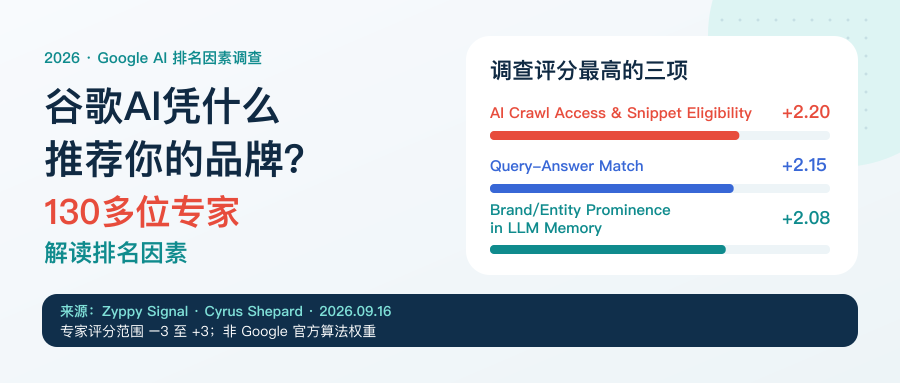
The previous article, “What Determines Google Rankings in 2026? The Latest Views of 131 Experts,” covered traditional search rankings. This article turns to AI features in Google Search.
How can a company appear in Google's AI answers? Beyond improving its site and publishing content, which factors deserve attention?
On September 16, 2026, Cyrus Shepard published a survey on Zyppy Signal involving more than 130 search experts. It examines how pages or information sources appear, are selected as sources or are cited in Google AI Overviews and AI Mode. “Ranking factors” follows the survey's terminology. It does not mean Google has published a separate AI ranking algorithm, and the findings cannot simply be extended to every AI platform.
How were the factors rated?
Respondents rated influence on a seven-point scale from −3 to +3: strongly negative, no influence at zero, and strongly positive. Open comments explained their reasoning. A higher score means a more positive assessment within the survey, not a greater weight in Google's algorithm.
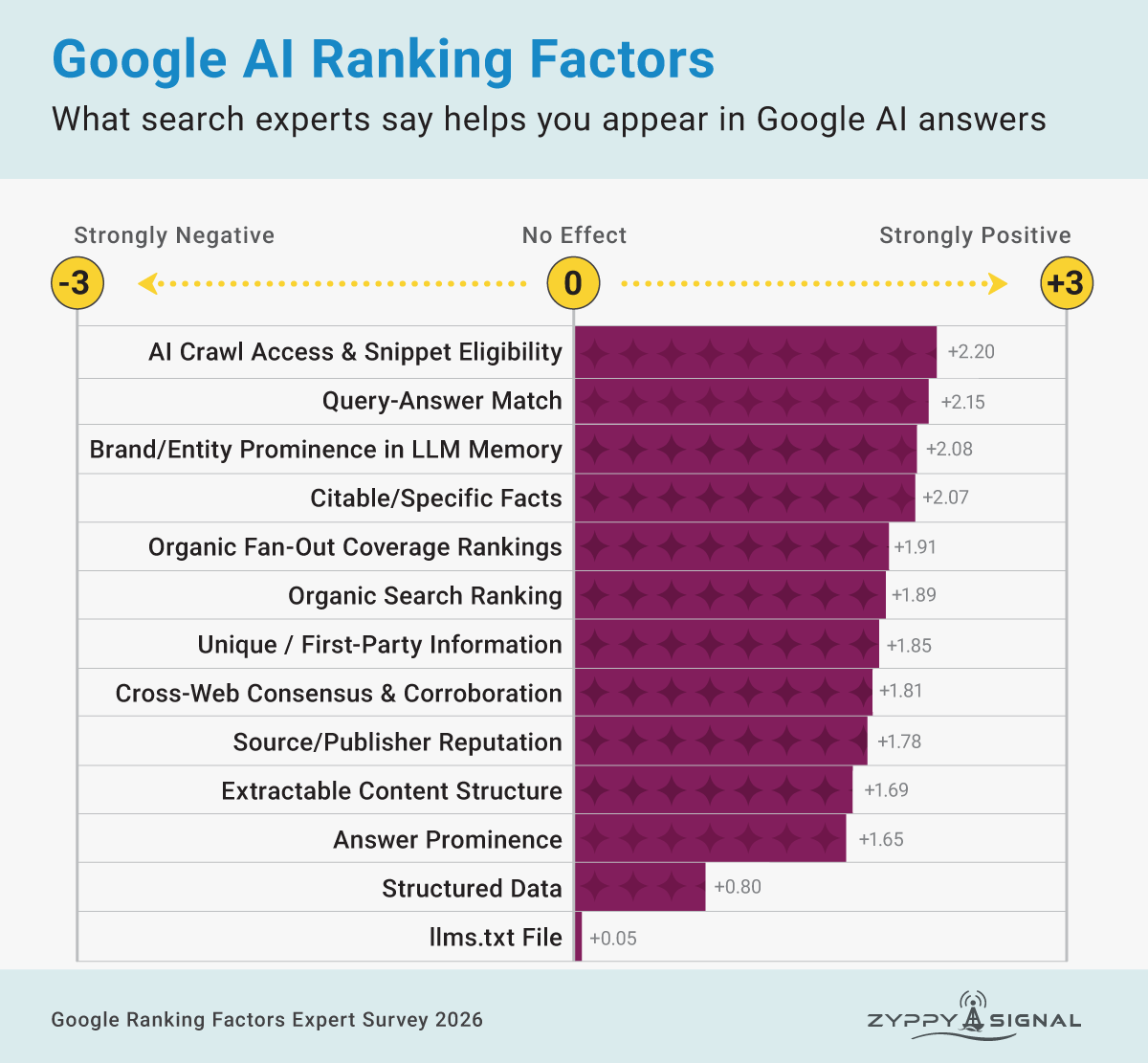
Figure 1: Original Zyppy Signal chart by Shepard Design, retaining the original ratings and branding.
Which factors scored highest?
Crawlability and snippet eligibility (+2.20), followed by question-and-answer alignment (+2.15), led the ratings. A model's existing knowledge of a brand and specific, citable facts also received attention. By comparison, llms.txt scored only +0.05.
Two conclusions emphasized by the author stand out: brand and trust matter more in these assessments than some AI-specific tactics, and AI visibility still overlaps substantially with traditional SEO.
The following terminology guide can be read alongside the English ratings chart.
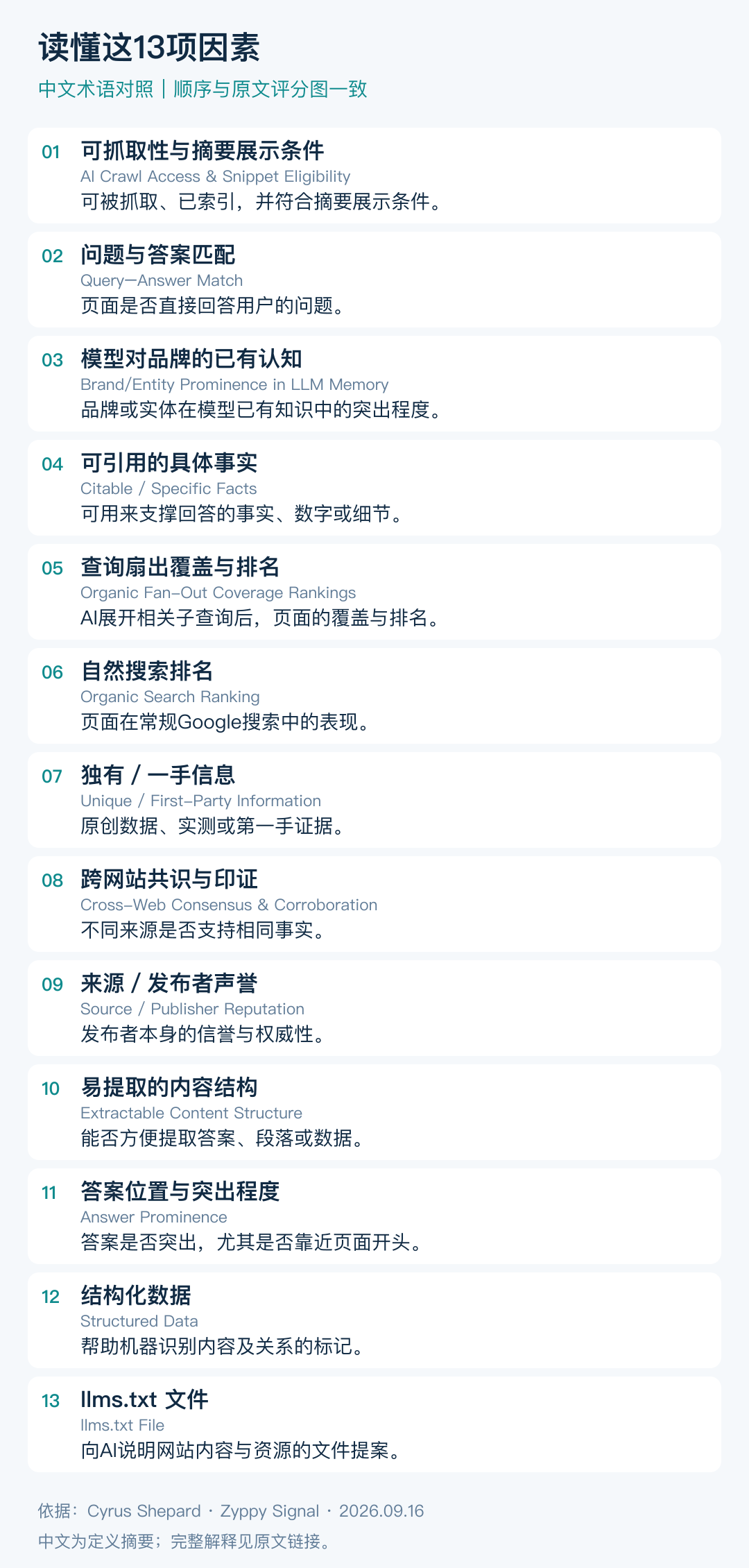
Figure 2: Chinese terminology based on the original definitions, with English labels matching the chart. The indexing requirement is supplemented from Google's official guidance.
How do experts explain these factors?
Organic search performance still matters. Fili Wiese of Search Brothers points out that retrieval for AI answers depends on search ranking systems. This may involve the user's direct question as well as related subqueries generated through query fan-out—breaking a question into several related searches.
Specific facts combined with firsthand information may improve the chance of citation. Geoff Kenyon of Pomar argues that distinctive, concrete facts or data offer better citation opportunities than numbers available everywhere.
A model's existing brand knowledge may affect recommendations. Dan Petrovic of DEJAN notes that existing brand knowledge can influence recommendation tendencies and may be difficult to change quickly.
These are respondents' explanations of how the factors work. They help interpret the scores, but are not proof of causation.
What are experts still uncertain about?
Will Critchlow of SearchPilot notes that some questions may be better answered with “We do not know.” Sally Mills of Sally Mills Consulting emphasizes the continuing need for experimentation.
The survey is therefore useful for understanding current professional judgments, not as a ranking formula that will remain valid indefinitely.
The original article concludes with three priorities
Meet the conditions for inclusion: content should be crawlable, relevant to the question and perform in conventional search and related subqueries.
Provide useful, specific facts: offer citable details alongside unique or firsthand information.
Build trust in the brand and source: this includes existing model knowledge, corroboration across websites and publisher reputation.
Our assessment: where can B2B companies begin?
Our practical takeaway is to prioritize authentic information, content quality and credible sources—the approach often described as white hat. This is our application of the findings, not direct validation by the survey of a particular GEO method. It clarifies professional priorities without implying that AI recommendations follow publicly known, certain rules.
If you are starting: begin with customer questions and company materials
B2B companies seeking customers through Google can include AI search in website and content planning.
First identify what customers ask when selecting products, comparing options and finding suppliers. Then examine product information, application experience and evidence the company can publish. Those materials provide a concrete content direction. Article count alone should not measure progress.
If you are already working on it: check whether the work addresses the business
Beyond configuration and publishing volume, ask:
Does the content answer real purchasing questions?
Does it provide firsthand material and verifiable facts?
Do credible sources support the brand and product information?
These questions reveal what to improve more effectively than asking whether AI tools were used.
During implementation: address three foundations together
Accessible: if a page should appear as a source link in AI Overviews or AI Mode, check that it is crawlable, indexed and eligible for snippets in Google Search. Eligibility does not guarantee inclusion. Brand mentions and citations of the official website are different: the original article also notes that Google may recommend a brand even when it cannot crawl the brand's own site.
Substantive: answers should fit the question, with specific facts and clear evidence.
Trustworthy: company identity, product capabilities and information sources should be verifiable.
These overlap with traditional SEO foundations. We recommend identifying actual gaps in the three areas before allocating investment. Survey scores supply clues; they should not be converted directly into budget percentages or a fixed execution order.
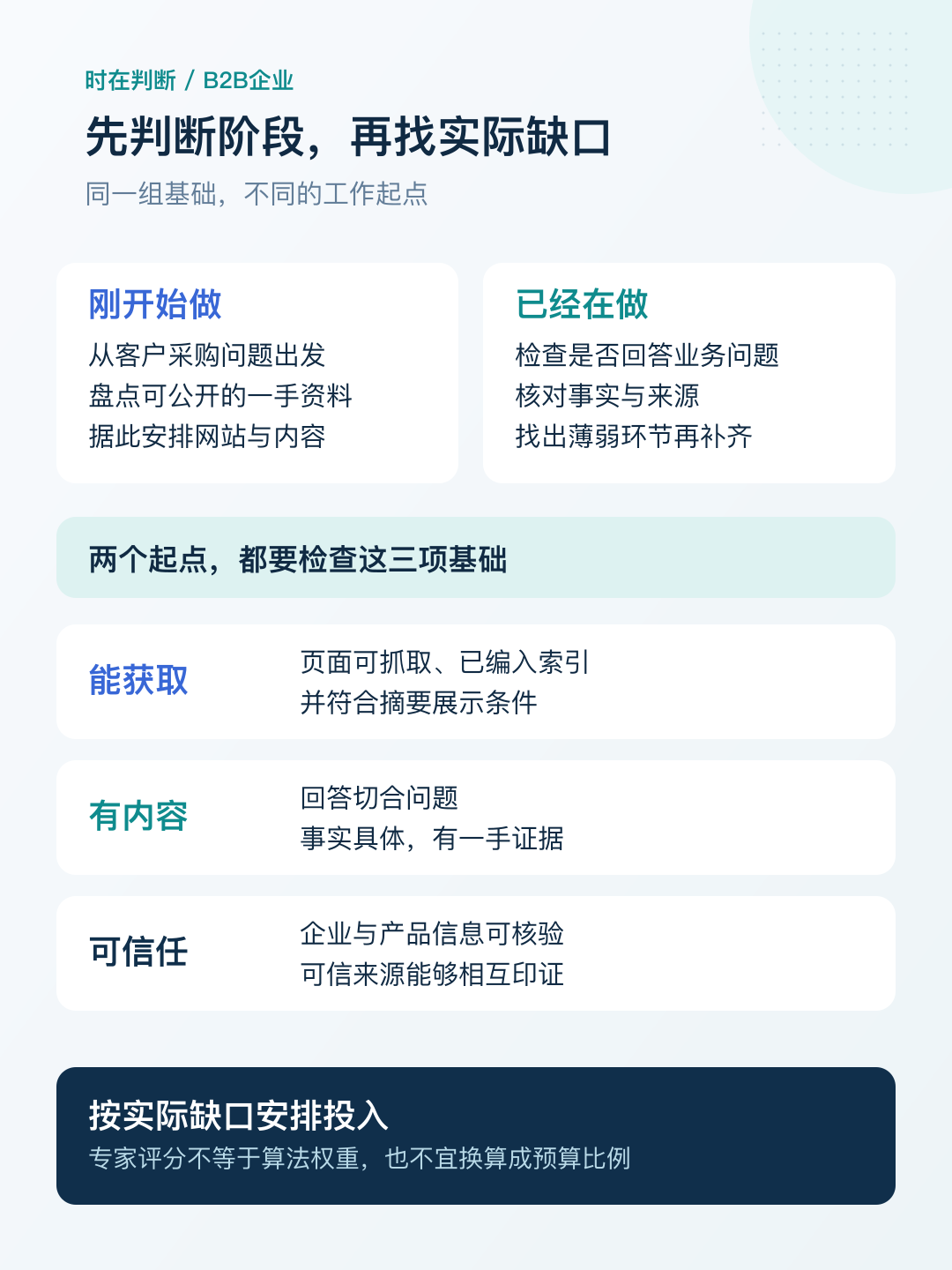
Figure 3: Implementation considerations for AI features in Google Search. “Accessible” describes eligibility for a webpage to appear as a source link, not a prerequisite for a brand mention. The diagram does not represent algorithmic weights.
Original article: Google AI Ranking Factors: 130+ Expert Survey
By Cyrus Shepard | Zyppy Signal | September 16, 2026. Read the original for complete score explanations and expert comments.
Terminology reference: Google Search Central: AI Features and Your Website. The original's “ranking factors” are survey categories, not a published Google algorithm checklist.
Related reading
After AI Overviews Take the Clicks, Is Google Starting to Pay Content Contributors?
AI Overviews Expand Automatically: Even Fewer Clicks for the No. 1 Result?
Discuss your brand's search visibility
Tell us about your website and customers if you are planning brand, product or application content, or defining SEO and GEO work.